Multimedia Technologies Unit

The Multimedia Technologies Unit at Eurecat conducts applied research and innovation in advanced multimedia technologies, combining audio, computer vision, artificial intelligence, and immersive interaction. Our work bridges scientific research and real-world deployment through participation in European, national, and industrial R&D projects, as well as through a strong record of scientific publications and technology transfer.

The unit is organized around three main applied research areas through the Audio, Image, and Visualization Teams. Together, these teams contribute to Eurecat’s strategic research directions in areas such as multimodal generative AI, 3D digitization and digital twins, advanced spatial audio technologies, XR enhanced with AI, and affective computing and sentiment analysis.

Explore our open-source developments on Github

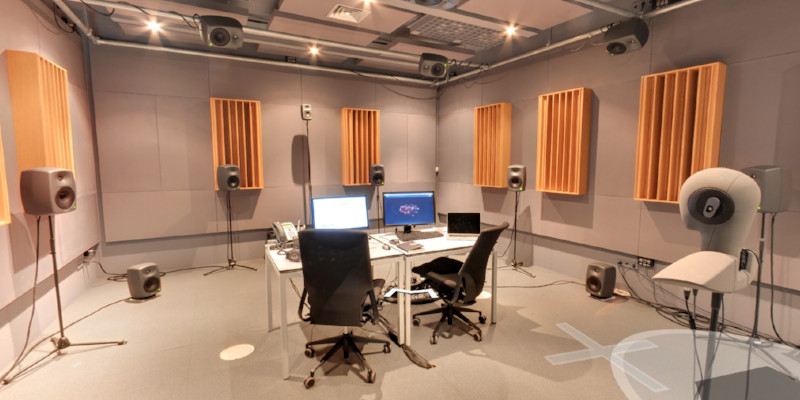
3D Audio Laboratory — Discover our 3D audio lab and services for creating immersive sound experiences in XR, media production, and spatial computing.


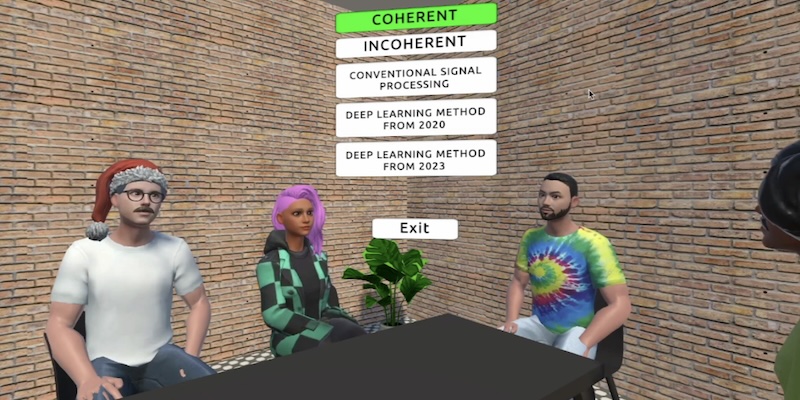
The Audio Team develops technologies for spatial audio, immersive listening, perceptual audio enhancement, and intelligent audio analysis and generation. The audio team has a long trajectory in immersive sound technologies as pioneers in 3D audio and founders of the spin-off ImmSound, later acquired by Dolby Laboratories. Building on this foundation, this team continues advancing research in 3D spatial audio, virtual acoustic environments, sound scene simulation, and audio technologies for immersive and extended reality experiences. Recent work also integrates machine learning and multimodal AI into audio technologies, addressing areas such as hearing-related applications, XR communication, acoustic heritage reconstruction, and immersive media production.

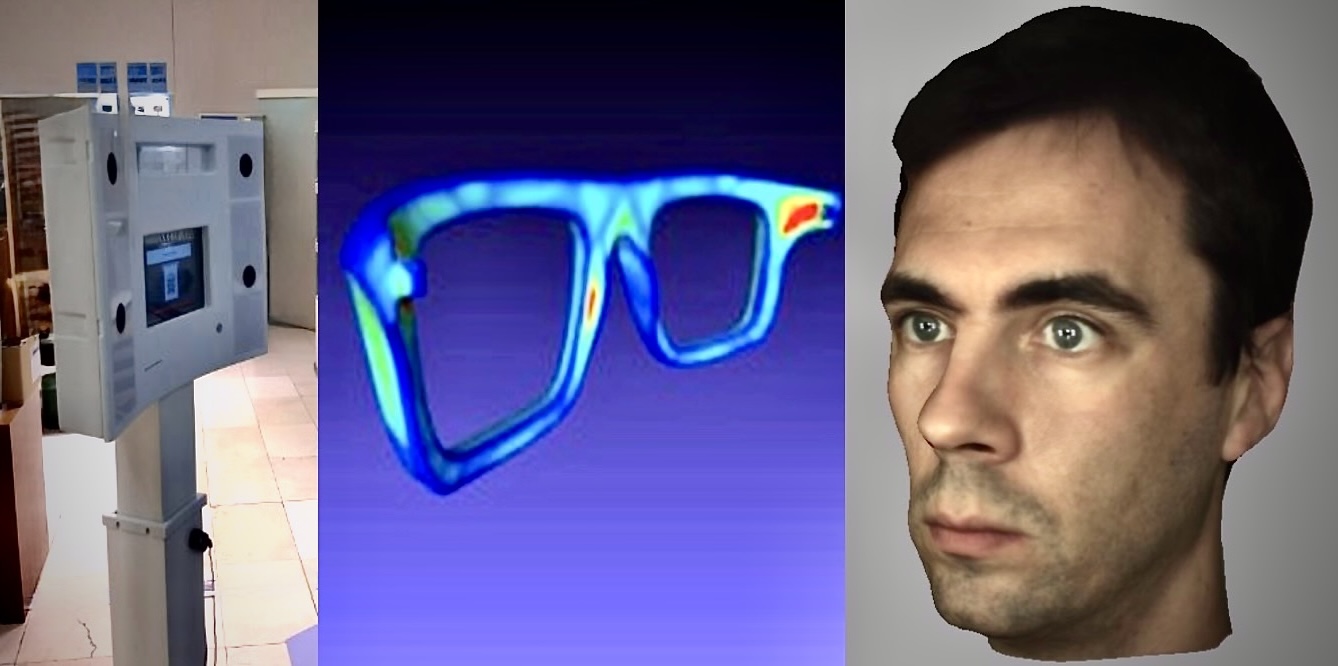
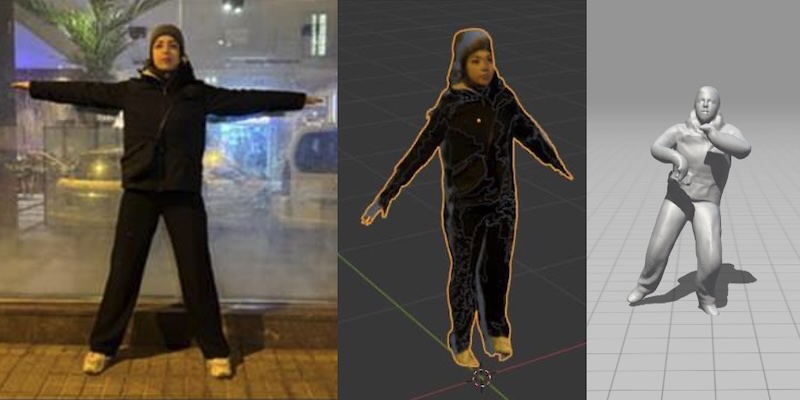
The Image Team focuses on computer vision and AI methods for understanding, generating, and reconstructing visual content. Leveraged by Neural Radiance Fields (NeRFs), latent diffusion models, large vision models, its expertise spans image and video analysis, 3D reconstruction and avatars, forecasting generative models, and multimodal affective computing. These technologies support applications in domains such as healthcare, cultural heritage, media production, and industrial environments.

The Visualization Team focuses on immersive and interactive technologies for understanding and exploring complex information. This team develops advanced solutions that combine extended reality (XR), visual analytics, and digital twins. The visualization team builds upon interactive technologies to integrate geolocated information, industrial data, and digital assets into intuitive and immersive interfaces. Solutions are designed for a wide range of platforms, including XR headsets, smart glasses, holographic displays, and desktop environments, always with the goal of improving user experience and decision-making through advanced visualization and interaction technologies.


Research with Impact - Across its three teams, the Multimedia Technologies Unit connects long-term research with practical deployment through collaborative projects, scientific publications, and technology transfer. Our recent activity reflects a clear strategic commitment to:

  • Multimodal generative AI for video, audio, text, and cross-modal content
  • 3D digitization including visual and acoustic digital twins and avatars
  • Advanced audio technologies for 3D spatialization and perceptual enhancement
  • Advanced immersive interaction combining XR and AI
  • Affective computing and sentiment analysis

This combination of applied research, experimentation, and innovation positions MTU as a multidisciplinary hub for next-generation multimedia technologies.